Business cybersecurity – who is responsible for information systems?
Fri, 27 Nov 2026
Production management, accounting, communication with customers and suppliers, document storage and the organisation of workflows increasingly depend on the reliability of information systems.
Yet in many companies, responsibility for these systems is seen primarily as the duty of the system administrator, the in-house IT department or the company providing IT support.
But is having IT specialists enough for a company to consider that it has achieved the necessary level of information security? And who is responsible for decisions about data protection, infrastructure development and the continuity of business processes?
Managing information systems is part of managing the business
Business leaders make decisions every day about finance, human resources, physical assets and the company's development. Information technology should be treated in the same way.
Just as a manager does not need to be an accountant to oversee the company's financial position, they do not need to be a system administrator to take part in managing its information infrastructure.
They do, however, need sufficient information about its condition, existing risks and opportunities for development.
Decisions to implement new information systems, replace equipment, use cloud services or grant access to company data have implications that extend far beyond their technical implementation. They can affect productivity, competitiveness and the company's ability to continue operating normally when an incident occurs.
For this reason, managing information systems requires active cooperation between management and the specialists responsible for maintaining them, however that maintenance is organised.
Cybersecurity as a management responsibility – what does NIS2 provide for?
European Directive (EU) 2022/2555, known as NIS2, places particular emphasis on the involvement of organisations' management bodies in cybersecurity governance.
Article 20 of the directive provides for the management bodies of essential and important entities to approve cybersecurity risk-management measures and oversee their implementation. It also provides that they can be held liable for breaches of the relevant requirements.
It also provides for training for members of management bodies to enable them to identify risks and assess their impact on the organisation's activities.
The areas covered by Article 21 of the directive include:
- Analysing and managing risks to information systems.
- Incident handling.
- Ensuring business continuity, data backup and recovery.
- Security in relationships with suppliers of products and services.
- Managing access to information resources.
- Employee training and awareness.
- Assessing the effectiveness of the security measures implemented.
An important aspect of these requirements is that management responsibility remains, whether the organisation has its own IT staff or uses external specialists.
Although NIS2 does not automatically cover every business, its principles provide a sound basis for organising information security in companies outside its mandatory scope as well.
Regardless of whether a business has a regulatory obligation to implement specific measures, loss of information, disruption of operations or compromise of company systems can have serious consequences for its development.
Does delegating technical activities mean transferring management responsibility?
Businesses organise the maintenance of their information systems in different ways. Some employ a system administrator, others build their own IT department, others use external companies, and many combine in-house and external expertise.
Whatever model is chosen, delegating technical activities does not automatically relieve management of its responsibilities.
IT specialists can analyse the condition of systems, identify risks, propose solutions and carry out the necessary technical activities. Management, in turn, sets the company's priorities, approves investments and makes decisions affecting its operations.
Employing a system administrator or signing an IT support agreement does not, in itself, guarantee that all necessary information security measures have been taken.
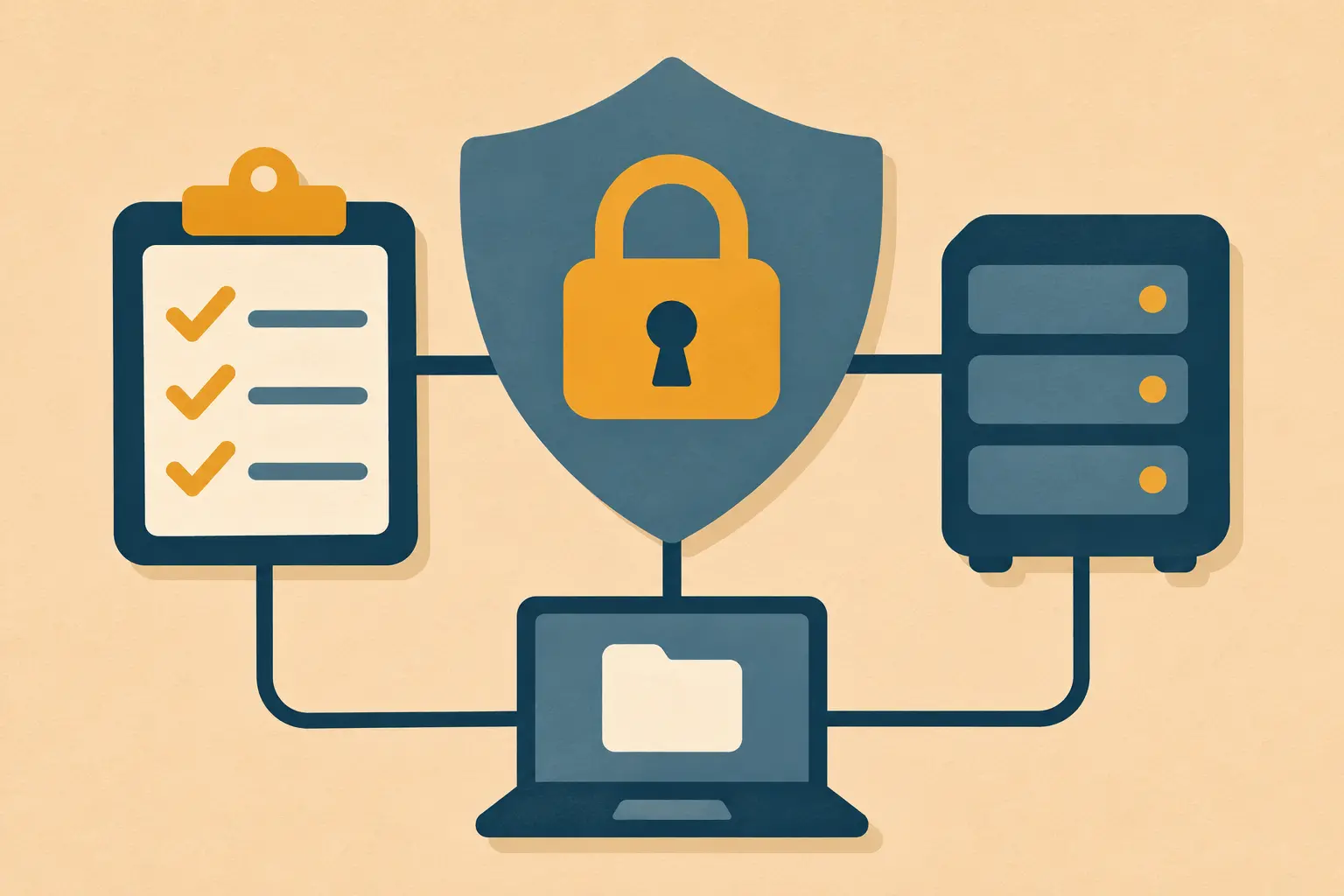
Effective organisation requires a clear allocation of responsibilities:
- Company management sets strategic objectives, provides the necessary resources and exercises oversight.
- In-house and external IT specialists assess the technical condition of the infrastructure, provide professional recommendations and carry out activities within their assigned responsibilities.
- Employees follow the established rules for working with information systems and promptly report any problems.
- Software and technology service providers fulfil their commitments to reliability, support and security in accordance with the agreed terms.
A lack of clear boundaries between these responsibilities can result in activities being left undone because each party expects the other to organise them.
Who controls your company's information assets?
As a company develops, its information infrastructure gradually expands. New systems are implemented, licences are purchased, user accounts are created and contracts are signed with various technology providers.
These activities are often carried out by different employees or external contractors without the information about them being centralised.
As a result, situations can arise in which the company does not have full control over its own information resources.
Management should have a clear understanding of:
- Ownership and control of the company's internet domains.
- Administrative access to the information systems in use.
- Management of software licences and subscriptions.
- Where company data is stored and under what conditions.
- The availability of up-to-date technical documentation.
- The ability to recover information when an incident occurs.
- Procedures for employee departures or changes of technology provider.
Particular attention should be paid to situations in which knowledge of the entire information infrastructure is concentrated in one person.
Even when a company has a qualified system administrator, a prolonged absence or departure can cause difficulties if there is no technical documentation, no handover procedures and no way for another specialist to take over the work.
The same principle applies when external contractors are used.
Information about the infrastructure should be an organisational resource, rather than remaining solely in the knowledge of a particular specialist or provider.
This does not mean that all administrative passwords should be stored or used personally by the manager. Established mechanisms are needed to ensure that the organisation retains control over its systems without compromising their security.
Who coordinates the different technology providers?
Many businesses use services and solutions supplied by multiple independent providers – internet service providers, specialist software developers, suppliers of accounting and ERP systems, cloud platforms, video surveillance systems and others.
Each provider is usually responsible for a particular product or service, without necessarily having information about the company's infrastructure as a whole.
When a problem occurs, this can make it difficult to establish the cause, particularly when a system's normal operation depends on several different components.
The company's manager does not need to personally coordinate technical communication between all these organisations.
This function can be performed by the in-house IT department, an employed system administrator or an external IT partner, depending on how work is organised within the business.
It is important to establish who has the necessary information about the overall infrastructure, who coordinates technical activities and who informs management when a management decision is needed.
This allows specialists to discuss technical matters while ensuring that management receives the information it needs to make decisions.
What happens when IT specialists' recommendations are not implemented?
Not every technical risk can be eliminated immediately. Reasons may include financial constraints, dependence on specialist software, the need to interrupt a production process or other operational considerations.
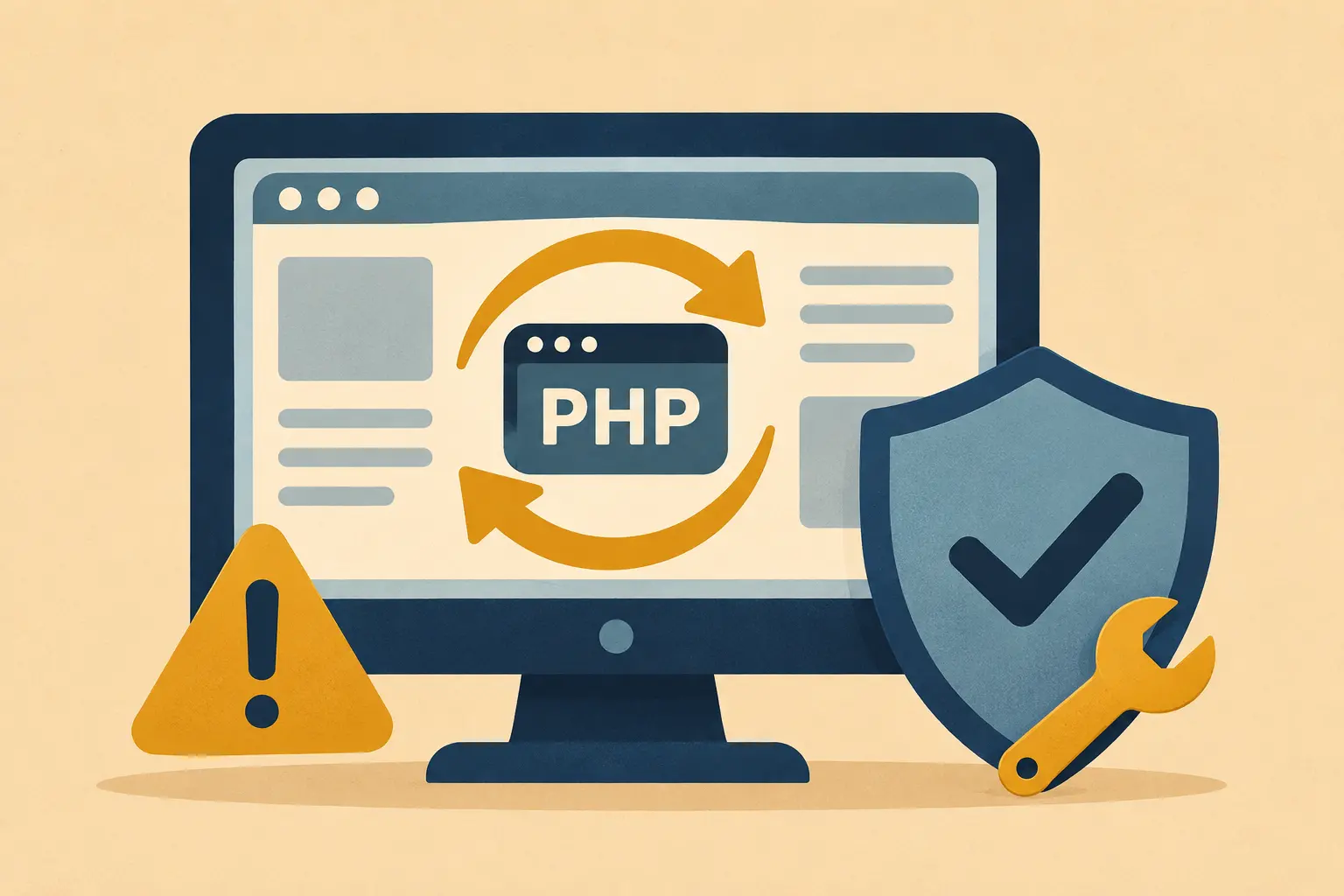
For example, an infrastructure assessment may find that a server is running an operating system for which the vendor no longer provides standard security updates.
Replacing or upgrading the system may require additional investment and coordination with the developers of the software in use.
In such a situation, the IT specialists' task is to explain the existing risk, its potential consequences, the options for reducing it and the actions required.
Management should have this information so that it can make an informed decision about the timing and resources needed for implementation.
When an upgrade is postponed, options for introducing additional safeguards should be considered and the remaining risk should be reassessed periodically. Where applicable regulatory requirements exist, a management decision to postpone the upgrade does not remove the obligation to comply with them.
Conversely, if existing technical risks are not identified in time or are not presented to management, management lacks the information it needs to take appropriate action.
Documenting technical recommendations and management decisions is an important part of this process, whether the specialists are company employees or external contractors.
It provides traceability, enables future activities to be planned and reduces the likelihood of identified problems being forgotten over time.
How can management assess the state of information security?
The absence of technical problems and employee complaints is not a sufficient indicator of the condition of the information infrastructure.
An information system may function normally even though it contains vulnerabilities, uses unsupported software components or lacks reliable mechanisms for recovering information.
To exercise effective oversight, management should receive regular information about:
- The overall technical condition of the information infrastructure.
- Identified risks and the measures taken to reduce them.
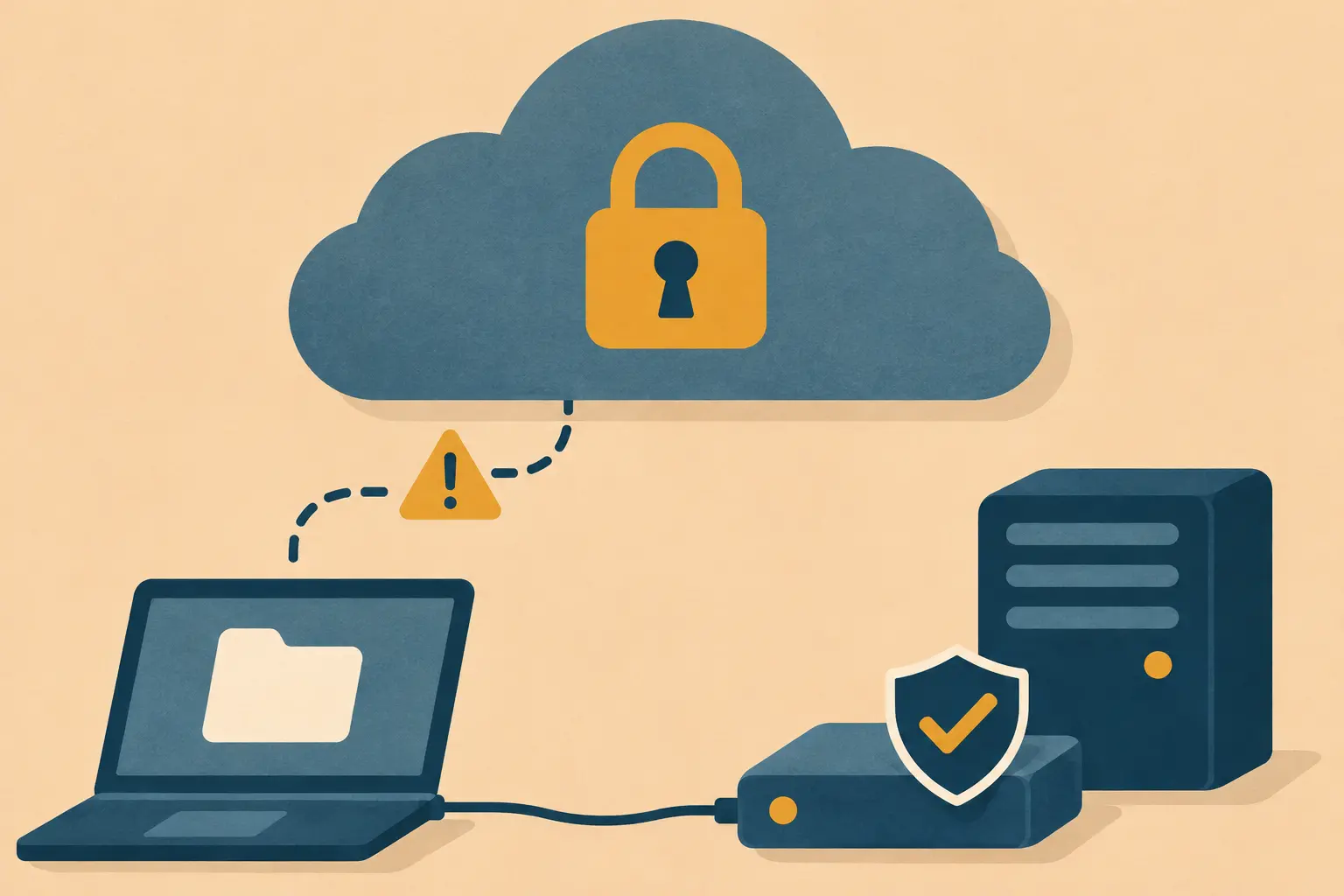
- The condition of backups and the ability to recover data.
- The need to replace or upgrade equipment and software.
- Incidents that have occurred and the actions taken to resolve them.
- Upcoming activities and planned technology investments.
This information does not need to take the form of complex technical reports. It is far more important that it enables management to understand how the condition of the information systems affects the company's current and future operations.
Periodic independent assessments of the information infrastructure can also be a useful tool for management oversight.
Such an assessment should not be seen as an expression of distrust in the current IT specialists. It provides additional expertise, helps identify gaps and supports the planning of future activities.
This applies both to businesses with their own IT department and to those that use external IT support.
IT expertise as part of business development
Information infrastructure is not static. It changes as employee numbers grow, new offices and production facilities open, information systems are implemented and operations expand.
For this reason, IT specialists should be involved not only when technical problems arise, but also when the business plans its development.
Their early involvement allows technical dependencies, security requirements and integration options to be considered before decisions are made to purchase equipment or implement new systems.
As information technology develops, the need for specialist expertise in different areas also grows – system administration, network infrastructure, cybersecurity, virtualisation, cloud services, data backup and recovery.
Not every business needs to have its own specialists in all these areas. External experts can complement the in-house IT team when implementing more complex projects, assessing risks or managing critical information systems.
At Arikt, we work both with businesses that entrust us with the complete management and maintenance of their information infrastructure and with companies that have their own IT staff.
In the latter case, our role is to complement the existing expertise, help resolve more complex technical challenges and participate in planning and implementing technology projects.
The aim is for companies to have not only functioning information systems, but also the information and expertise they need to manage their development.
Cybersecurity as a shared responsibility and a management priority
Business cybersecurity is not achieved solely by implementing antivirus software, firewalls or backup systems. It also depends on how governance, responsibilities and cooperation between management, IT specialists, employees and technology providers are organised.
Whether the company has its own system administrator, an in-house IT department or uses an external contractor, management should retain the necessary control over its information resources and participate in decisions about their security and development.
Effective cooperation between management and technical expertise creates the conditions for building a reliable, secure and resilient information infrastructure.
However IT support is organised in your company, the Arikt team can help you assess the condition of your information infrastructure, identify technical risks and plan the measures needed to reduce them.
Explore our managed IT support services for businesses, including options for working alongside your existing IT team.
Regulatory source: Directive (EU) 2022/2555 (NIS2), Articles 20 and 21.


 Call Us